
MUD PUMP PARTS
Mud Pump Replacement Parts for Oilfield Drilling Equipment
LC supplies replacement liners, valves and seats, pistons, and fluid end components for mud pump maintenance and repair. Compatibility is confirmed against the pump model, part number, drawing, dimensions, materials, and operating conditions provided with the inquiry.
MUD PUMP PARTS
Mud Pump Parts Selection and Supply
LC provides mud pump replacement parts for drilling-equipment maintenance, repair, and procurement projects. Our product scope includes liners, valves and seats, pistons, fluid end components, and related wear parts. Each inquiry is reviewed using the pump manufacturer and model, part number or drawing, required material, operating conditions, quantity, and delivery destination.
Drawing Review
Part-number, drawing, and key-dimension review
Material Options
Materials and configurations confirmed per inquiry
Order Inspection
Inspection scope and records agreed per order
Export Packaging
Marking and packaging confirmed before shipment

Mud Pump Parts
About Us
LC supplies mud pump replacement parts for drilling-equipment maintenance and repair. Product configuration is reviewed against the pump model, part number or drawing, dimensions, materials, operating conditions, quantity, and documentation requirements provided with the inquiry.
LC MUD PUMP PARTS
Superior Craftsmanship
Mud pumps are critical equipment in oil drilling operations, primarily used to pump drilling fluid (mud) from the surface to the bottom of the well, performing important functions such as cooling the drill bit, carrying cuttings, and stabilizing the wellbore. To ensure long-term stable operation in high-pressure, high-wear environments, mud pumps are composed of multiple precision components, typically divided into two major components: the fluid end and the power end.
We Follow Best Practices
“Details determine success or failure, and quality creates the future”
- Drawing confirmation
- Material confirmation
- Inspection by order
- Marking and packaging
Mud Pump Parts
Mud Pump Liners
- High temperature resistance
- High pressure resistance
- Corrosion and Erosion Resistance
- Configuration confirmed per inquiry
- Reduced maintenance costs
- Reduced downtime losses
Mud Pump Parts
Mud Pump Valves
- Ultra-Wear-Resistant Structure
- Seal configuration confirmed per inquiry
- Quick-Disassembly Modularity
- Configuration confirmed per inquiry
- Materials matched to service conditions
- Part and drawing review
Mud Pump Parts
Mud Pump Pistons
- Ultra-High Wear Resistance
- Sealing and Leakage Prevention
- Quick-Change Modularity
- Configuration confirmed per inquiry
- Elastomer and liner-bore review
- Order-specific documentation review
Mud Pump Parts
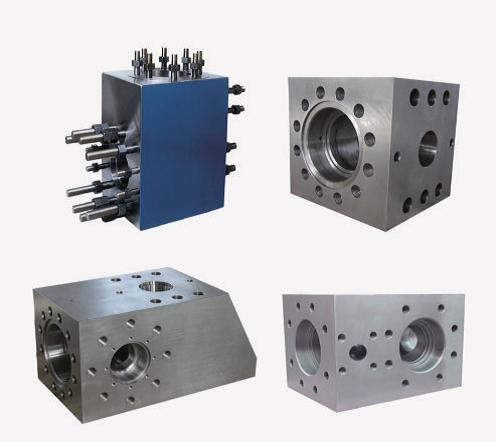
Mud Pump Fluid Ends
- Multi-layer composite fatigue resistance
- Self-compensating high-pressure seal
- Corrosion and Wear Protection
- Configuration confirmed per inquiry
- Drawing and material review
- Inspection scope agreed per order





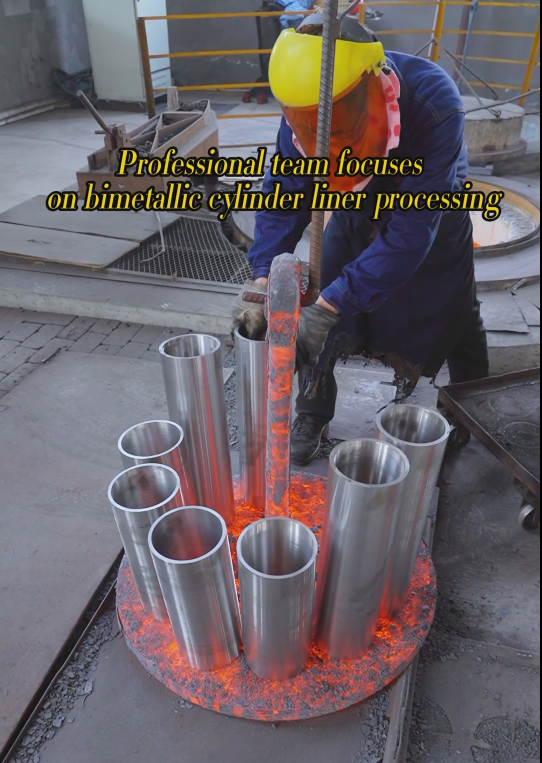
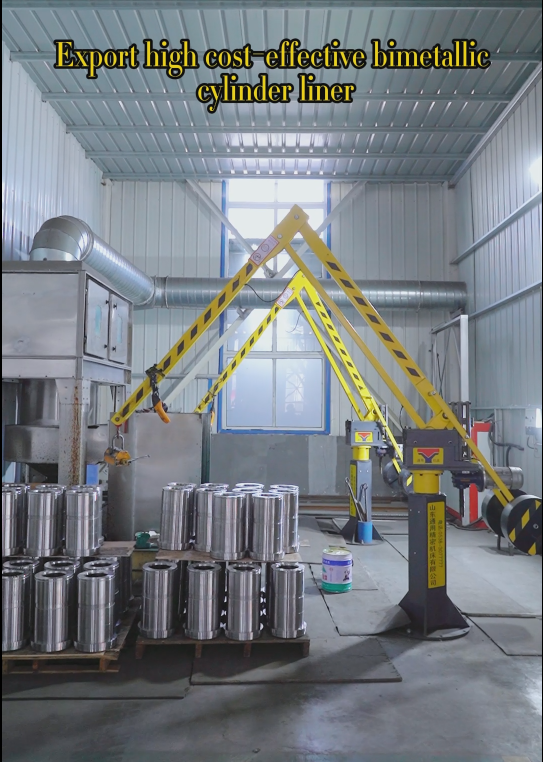
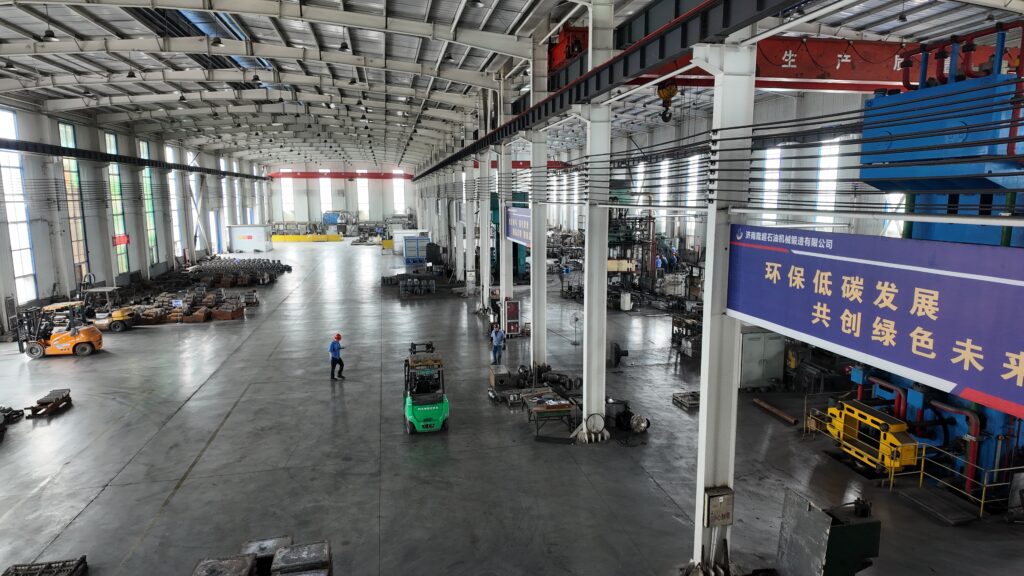
Our production plants
We are committed to precision, performance, and long-term value. Our products meet the highest quality standards in the industry.
Frequently Asked Questions
MUD PUMP PARTS FAQ
Mud Pump Parts
Mud pump parts are the components that constitute a mud pump, a critical piece of drilling equipment used to circulate drilling fluid (mud) in oil and gas operations. Common parts include cylinder liners, pistons, valves (ball/ gate), valve seats, guide sleeves, seals, ceramic liners, and pump heads. These parts work together to maintain the pump’s efficiency, pressure, and durability.
The main components of a mud pump include:
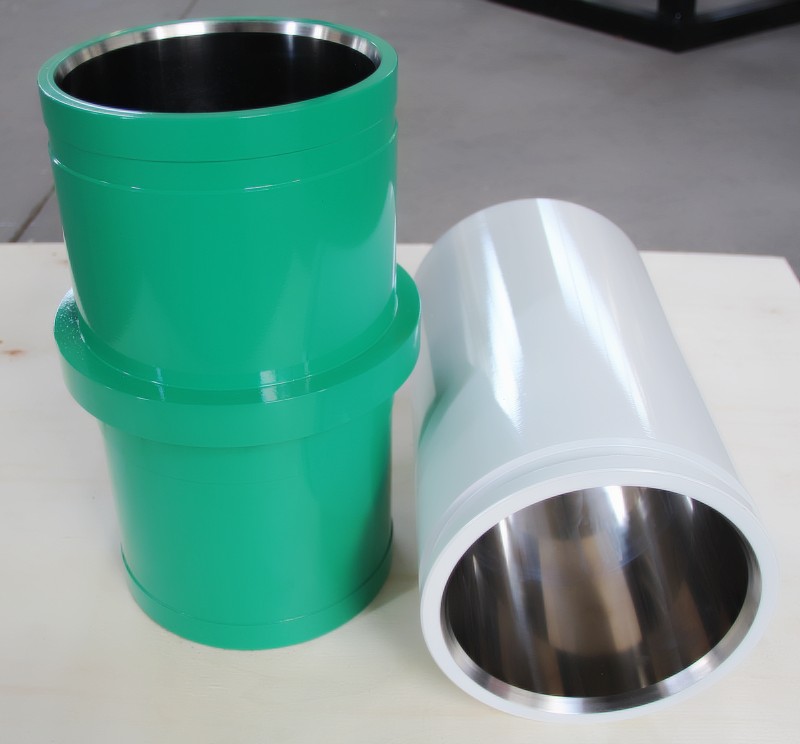
– Cylinder Liner: A cylindrical sleeve that houses the piston and withstands high-pressure mud flow.
– Piston: Reciprocates inside the liner to create suction and discharge pressure.
– Valve Assembly: Controls mud flow (inlet/ outlet) with parts like ball valves and valve seats.
– Guide Sleeve: Guides the piston rod to prevent misalignment.
– Seals: Prevents mud leakage and protects internal components (e.g., O-rings, packing).
– Pump Head: Connects the liner and valve assembly, directing mud flow.
The key differences lie in the number of cylinders/pistons and structural design:
– Triplex: 3 cylinders/pistons, designed for high-pressure applications (e.g., deep drilling). Parts include 3 liners, 3 pistons, and corresponding valves.
– Quintuplex: 5 cylinders/pistons, offering smoother operation and higher efficiency. Parts are more numerous (e.g., 5 pistons, 5 valves) than triplex pumps.
– Duplex: 2 cylinders/pistons, suitable for lower-pressure operations. Parts include 2 liners, 2 pistons, and simpler valve assemblies (e.g., binocular floating seals).
When selecting mud pump parts, consider:
– Pump Type: Triplex/ quintuplex/ duplex (determines part quantity and compatibility).
– Working Pressure: Higher pressure requires durable materials (e.g., ceramic liners).
– Mud Properties: Viscosity, corrosiveness, and solid content (affects material selection for wear/ corrosion resistance).
– Material: Choose high-strength steel, ceramic, or alloy for longevity.
– OEM Specifications: Ensure parts meet the original manufacturer’s standards for compatibility.
Material directly impacts part performance and lifespan:
– Wear Resistance: Ceramic (e.g., ceramic liners) or hardened steel resists abrasion from solid particles in mud.
– Corrosion Resistance: Alloys (e.g., stainless steel) protect against corrosive mud components (e.g., chemicals).
– Pressure Resistance: Forged steel withstands the high pressure of drilling operations (up to 10,000+ PSI).
– Durability: Quality materials reduce replacement frequency and maintenance costs.
Mud Pump Parts
To extend part life, follow these tips:
– Regular Inspection: Check for wear, cracks, or leakage in liners, pistons, and seals.
– Cleaning: Remove solid particles from the pump head and valve assembly to prevent abrasion.
– Lubrication: Lubricate piston rods and guide sleeves to reduce friction.
– Seal Replacement: Replace worn seals promptly to prevent mud leakage.
– Pressure Monitoring: Avoid exceeding the pump’s maximum pressure to prevent part damage.
Common faults include:
– Cylinder Liner Wear: Caused by abrasive mud, leading to reduced pressure.
– Piston Seal Damage: Leaks due to worn seals, resulting in inefficient mud circulation.
– Valve Leakage: Dirt or wear on valve seats causes reverse mud flow.
– Guide Sleeve Misalignment: Misalignment leads to piston rod wear and reduced efficiency.
– Seal Leakage: Damaged seals allow mud to escape, contaminating internal components.
Signs that parts need replacement:
– Reduced Performance: Decreased mud displacement (flow rate) or pressure.
– Leakage: Visible mud leakage from the pump head or seals.
– Abnormal Noise: Knocking/ grinding sounds indicating misalignment or worn parts.
– Wear Indicators: Liners or pistons exceeding the manufacturer’s wear limits (e.g., liner thickness < minimum specification).
– Frequent Breakdowns: Repeated faults in the same part (e.g., valve leakage) suggest replacement.
Yes. Compatibility is reviewed case by case using the pump model, part reference, drawing, and dimensions. A brand or model reference describes the intended application and does not by itself confirm OEM origin or authorization.
Please provide the pump manufacturer and model, part number or drawing, key dimensions, required material, operating conditions, quantity, and delivery destination. Photos of the existing part and nameplate can also help with identification.
Need Help Matching a Mud Pump Part?
Send the pump manufacturer and model, part number or drawing, key dimensions, operating conditions, required quantity, and delivery destination. We will review the information and confirm the available configuration and documentation.