
Product Center
Mud Pump Pistons
LC Mud Pump Parts supplies replacement piston assemblies and sealing elements for reciprocating drilling mud pumps. Available product families include replaceable rubber, bonded rubber, urethane-bonded, high-temperature urethane-bonded, and bull-nose configurations. The correct piston must be confirmed against the pump model, existing part number, liner bore, piston dimensions, and actual operating conditions before quotation.
EMAIL Us Today:
josean.lu@lcpumpliner.com
Mud Pump Piston and Liner Interface
Mud Pump Piston Types
Use the summaries below to identify the general piston family. They are not universal operating ratings. Submit the existing part number, drawing, dimensions, or a sample for final compatibility review.
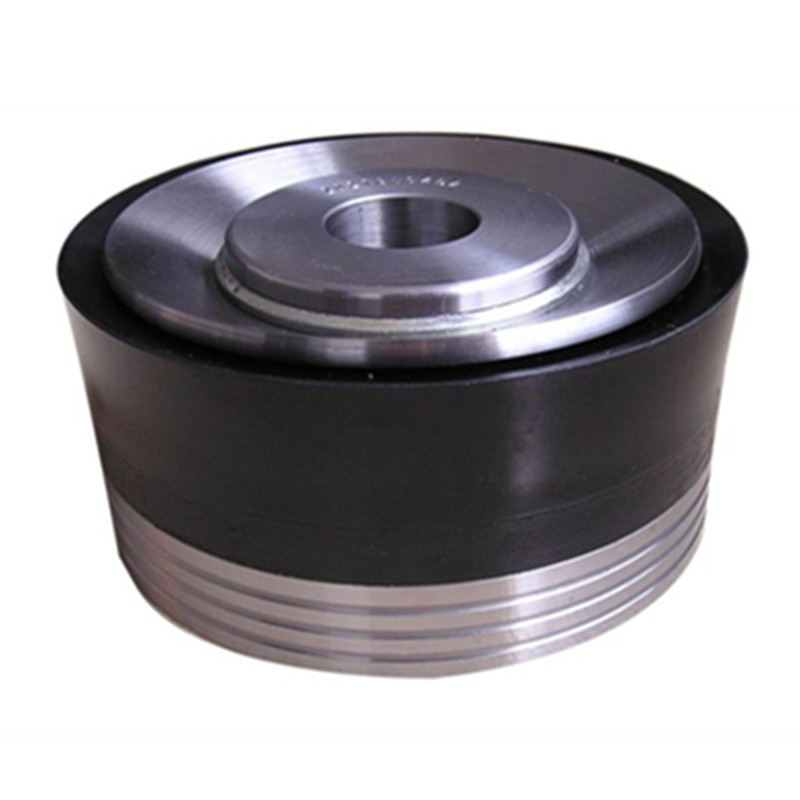
Replaceable Rubber Pistons
A serviceable piston configuration with a replaceable sealing element and reusable core or hub, subject to inspection and dimensional compatibility.
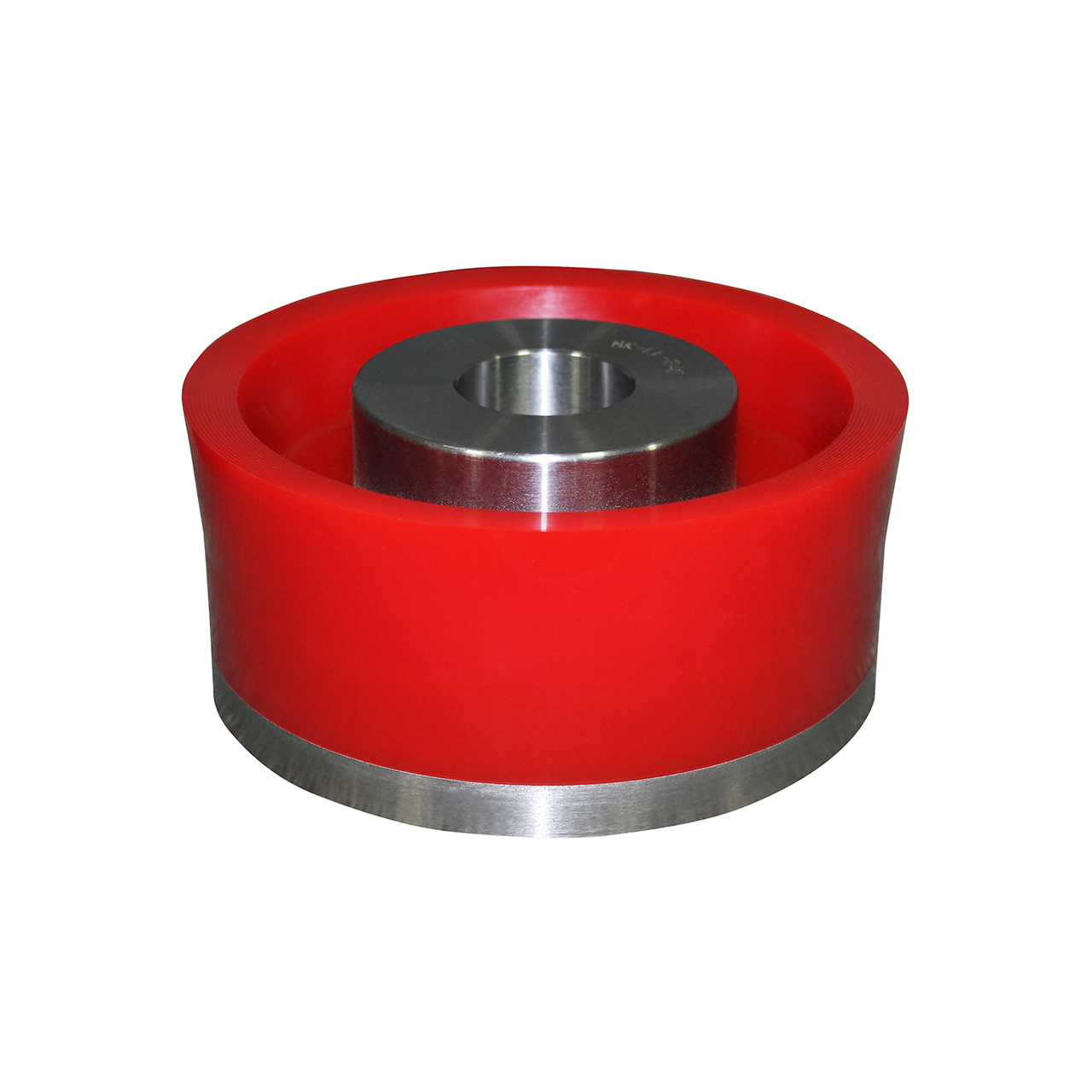
Rubber-Bonded Pistons
A piston assembly in which the rubber sealing element is bonded to a metal core. Material and bond construction must be matched to the intended duty.
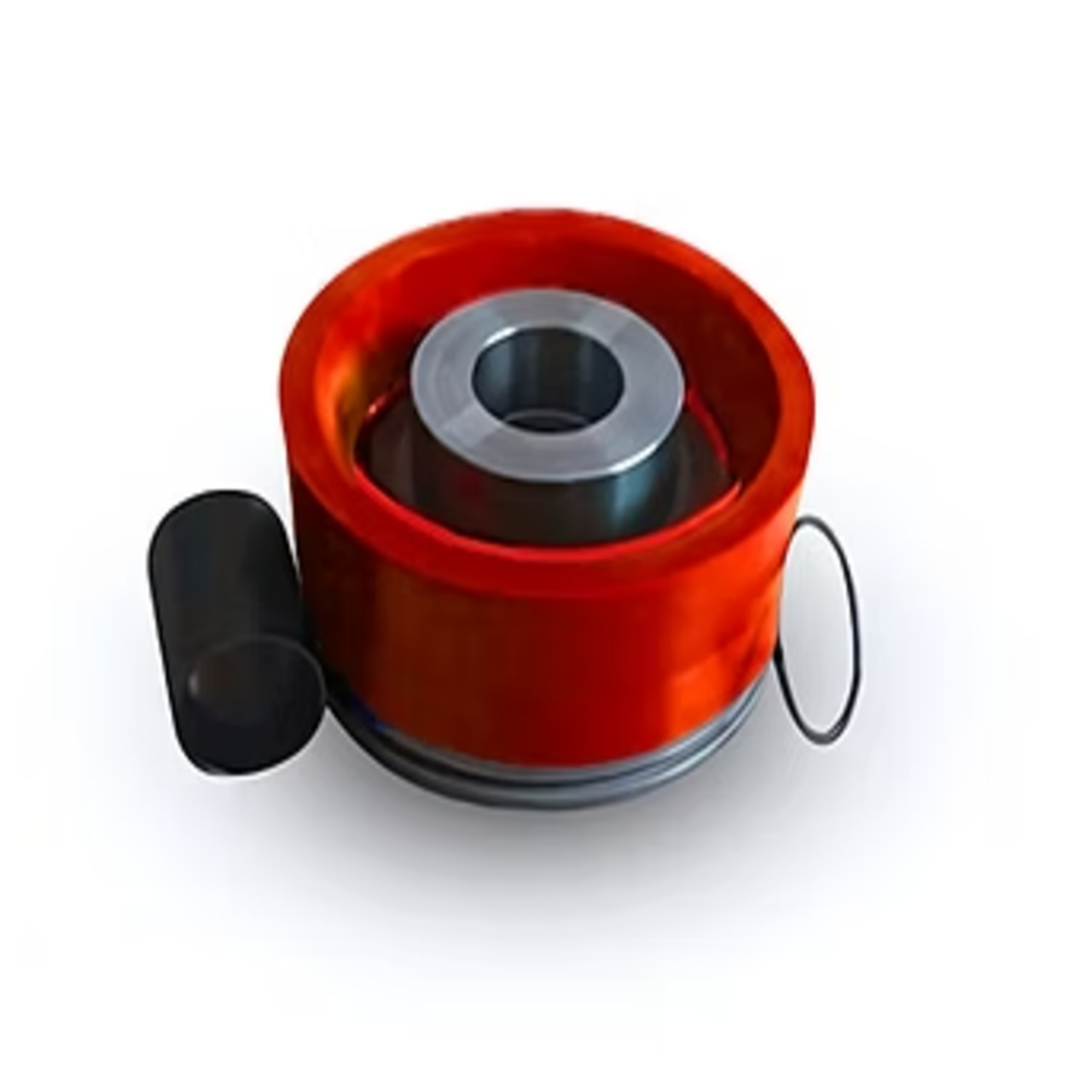
Urethane-Bonded Pistons
A bonded piston using a urethane sealing element. Selection depends on verified fluid chemistry, temperature, abrasiveness, dimensions, and pump compatibility.
High-Temperature Urethane-Bonded Pistons
A urethane-bonded piston family intended for applications requiring a documented temperature and fluid-compatibility review before selection.
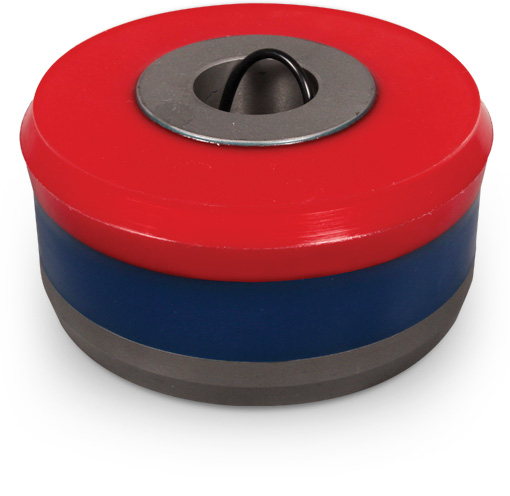
Bull-Nose Pistons
A piston family identified by its sealing profile. Fit must be checked using the liner bore, piston dimensions, part number, and interface details.
Serviceable Piston Configuration
Replaceable Sealing Element
The sealing element can be replaced when the assembly design and reusable core condition allow it.
Core or Hub Inspection
The reusable metal component should be checked for wear, damage, corrosion, and dimensional conformity before reassembly.
Liner-Bore Matching
Piston diameter and sealing geometry must be matched to the actual liner bore and the approved dimensional reference.
Rubber Selection Inputs
Fluid type, temperature, abrasiveness, solids, and duty cycle should be provided before a rubber option is proposed.
Part Identification
Use the pump model, existing part number, drawing, dimensions, or sample to identify the required assembly.
Quotation Review
Confirm required quantity, reusable or complete assembly scope, documentation needs, and delivery destination.
Bonded Rubber Configuration
Bonded Assembly
The rubber sealing element and metal core are supplied as a bonded piston assembly rather than as a replaceable sealing element.
Bond Interface Review
Construction and inspection requirements for the bonded interface should be confirmed from the applicable product record or drawing.
Dimensional Compatibility
Liner bore, piston diameter, hub details, and sealing profile are checked before quotation.
Operating-Condition Inputs
Provide drilling-fluid type, pressure, temperature, abrasiveness, solids information, and expected service conditions.
Material Confirmation
Rubber formulation or material designation is only stated when supported by the selected product’s documentation.
Supply Documentation
Ask which drawings, dimensions, material records, or inspection documents are available for the quoted item.
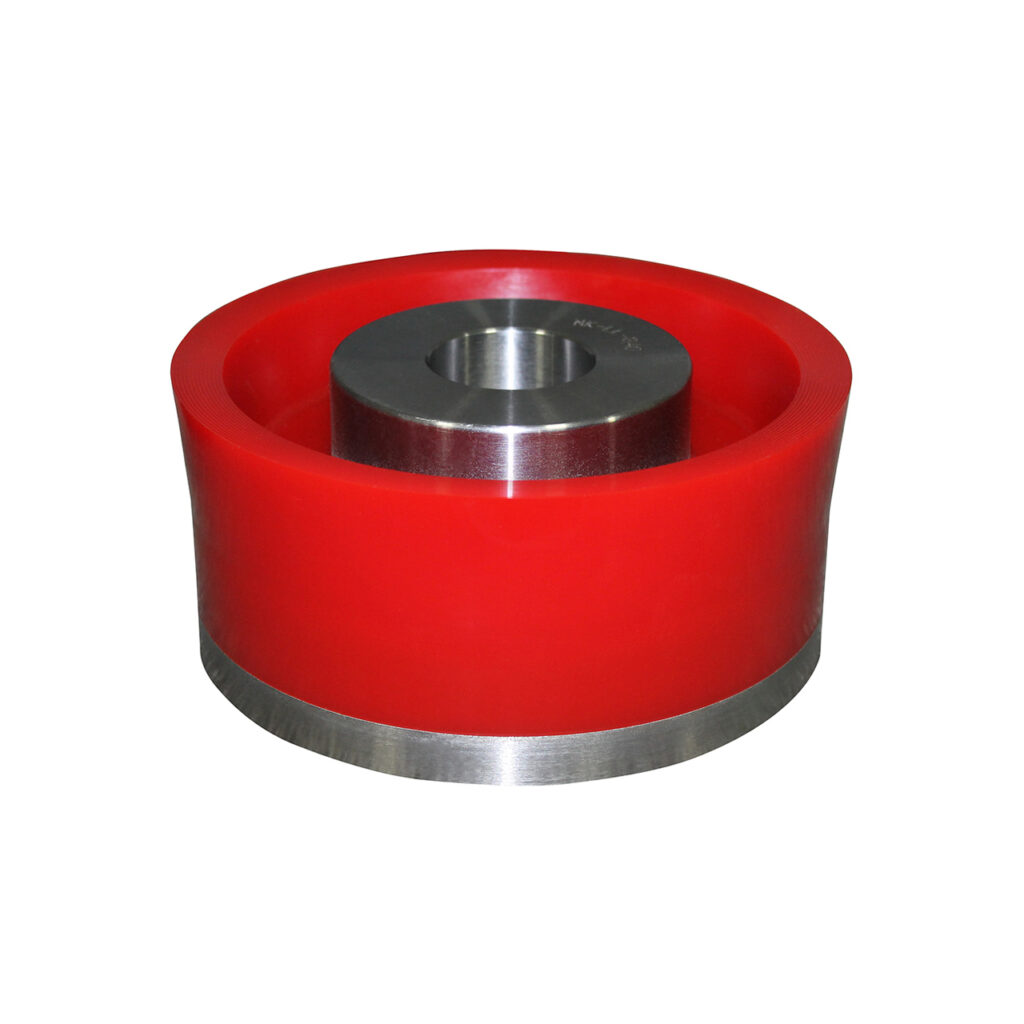
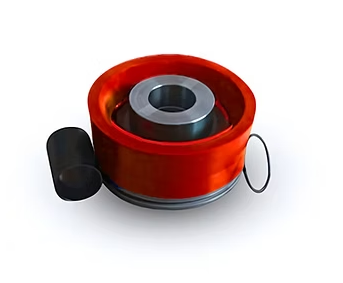
Bonded Urethane Configuration
Urethane Sealing Element
This product family uses a urethane sealing element bonded to a metal core; the exact formulation must be confirmed for the quoted configuration.
Fluid Compatibility Review
Share the water-, oil-, or synthetic-base fluid system and any chemical or solids information available to the buyer.
Temperature Review
Provide normal and peak operating temperatures. A product-family name alone is not a verified temperature rating.
Liner and Piston Matching
The liner bore, piston diameter, sealing geometry, and core interface are reviewed together.
Identification Evidence
Part number, drawing, measured dimensions, and photographs of markings reduce the risk of selecting the wrong assembly.
Written Confirmation
Request written confirmation of the proposed configuration, supply scope, and available documentation before ordering.
Temperature-Specific Review
Application Screening
This product family requires the buyer’s normal, peak, and duration-of-exposure temperature information.
Fluid and Chemical Inputs
Drilling-fluid base, additives, solids, and any known chemical compatibility concerns should be included with the inquiry.
Documented Operating Limits
Pressure and temperature values should only be published or accepted when tied to the quoted product and supporting documentation.
Bonded Construction Review
The sealing element, metal core, bond interface, and inspection scope should be checked for the selected configuration.
Pump and Liner Compatibility
Compatibility is reviewed from the pump model, liner bore, part number, drawing, and critical dimensions.
Quotation Package
Submit operating data, required quantity, destination, and requested drawings or inspection documents with the RFQ.
Sealing-Profile Identification
Bull-Nose Profile
The product family is identified by its sealing profile; the name does not establish a universal material or operating limit.
Critical Dimensions
Confirm piston diameter, liner bore, overall geometry, hub or core details, and any required interface dimensions.
Part-Number Review
Provide the existing part number, drawing revision, product markings, or sample information for identification.
Material Selection Inputs
Fluid chemistry, temperature, pressure, abrasiveness, and solids information are reviewed before selection.
Compatibility Confirmation
Pump model names are reference information; final fit should be checked against dimensions or an approved drawing.
Supply Scope
State whether the inquiry requires a complete piston assembly, a specific component, supporting documents, or export packing.





Mud Pump Piston Buyer FAQs
These answers explain the information used to identify and review a replacement mud pump piston. Final specifications depend on the selected part and supporting records.
Product Identification and Selection
A mud pump piston is a reciprocating fluid-end component that moves inside the liner and helps displace drilling fluid. The piston assembly includes a sealing element and a metal core or hub, depending on the design. Correct identification requires the piston type, liner bore, dimensions, and interface details.
- LC Mud Pump Parts handles inquiries for replaceable-rubber, rubber-bonded, urethane-bonded, high-temperature urethane-bonded, and bull-nose piston families. Availability and construction are confirmed for the requested part number, drawing, size, quantity, and operating conditions.
- Provide the pump manufacturer and model, existing piston part number, liner bore, piston diameter, hub or core dimensions, photographs of markings, and a drawing or sample when available. A pump model alone may not distinguish every configuration or revision.
Compatibility is checked by comparing the liner bore and related dimensions with the piston diameter, sealing profile, metal-core geometry, and applicable part or drawing reference. Ask for written confirmation before ordering when interchangeability is critical.
Material selection should be based on the selected product documentation and the actual drilling-fluid base, additives, abrasiveness, solids, normal and peak temperature, pressure, and duty conditions. The category name alone is not evidence of a universal chemical or temperature rating.
Compatibility, Inspection and RFQ
- No. Ratings can depend on the sealing material, construction, size, pump, liner, fluid, operating cycle, and validation method. Use only limits supported by the quoted product’s drawing, material record, or test documentation; do not apply a category-page number to every piston.
- Interchangeability should not be assumed. Similar product names or diameters can have different sealing profiles, core dimensions, and interfaces. Confirm the existing part number, drawing, measured dimensions, and pump or liner details before ordering.
Depending on the selected item and available records, buyers can ask about product drawings, dimensional information, material documentation, inspection records, packing details, and identification photographs. Required documents should be stated before the quotation is finalized.
Follow the pump manufacturer’s maintenance and safety procedures. Typical observations may include visible wear, cracking, deformation, bond separation, damage to the metal core, abnormal leakage, and liner condition. Inspection criteria and replacement decisions should follow the applicable equipment documentation.
- Include the pump model, existing part number, piston type, liner bore, drawing or dimensions, operating pressure and temperature, drilling-fluid information, quantity, delivery destination, and required buyer documents. This information supports a more reliable compatibility review and quotation.
Request a Mud Pump Piston Compatibility Review
Send the pump model, existing part number, piston type, liner bore, drawing or measured dimensions, operating conditions, drilling-fluid information, quantity, and delivery destination. LC Mud Pump Parts will review the available information before proposing a configuration and quotation.